Transform Your Passion for Martial Arts into a Meaningful Lifestyle and Career
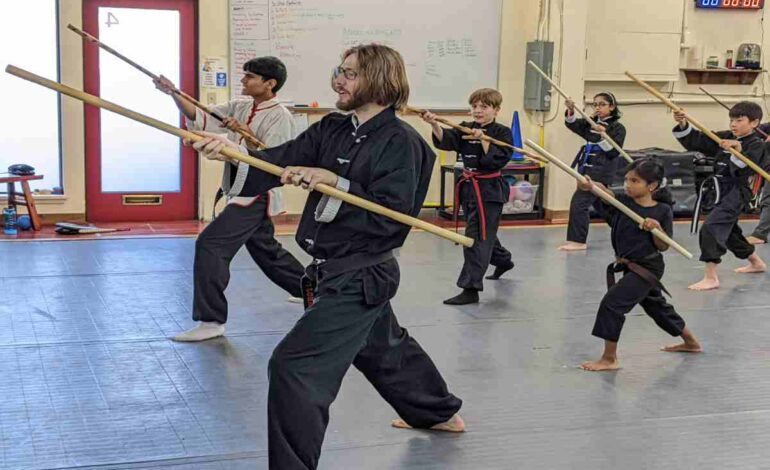
Many people start martial arts because of a movie, a fitness goal, or simple curiosity. But for those who stick with it, martial arts quickly becomes more than just a hobby—it becomes a lifestyle, a mindset, and sometimes even a career path. Transforming your passion for martial arts means channeling your enthusiasm into skill development, discipline, teaching, competition, or even building a business around it.
The challenge most enthusiasts face is knowing how to move from casual interest to purposeful growth. Without a clear path, many practitioners plateau, lose motivation, or never realize the deeper opportunities martial arts can offer. The solution lies in approaching martial arts strategically—developing skills, understanding the philosophy, gaining credentials, and exploring real-world opportunities.
This guide explains how to transform your passion for martial arts into personal growth, professional opportunities, and long-term success, whether you are a beginner, intermediate practitioner, or someone considering turning martial arts into a career.
Understanding Martial Arts: More Than Just Fighting
Martial arts are systems of combat practices and philosophies developed across different cultures. They emphasize discipline, mental strength, respect, and physical fitness, not just self-defense.
Core Aspects of Martial Arts
| Aspect | Description | Example Benefits |
| Physical Training | Techniques, conditioning, sparring | Strength, flexibility, endurance |
| Mental Discipline | Focus, patience, strategy | Stress control, confidence |
| Philosophy | Respect, humility, self-control | Personal development |
| Self-Defense | Practical combat techniques | Personal safety |
| Competitive Sport | Organized tournaments | Recognition and career opportunities |
Many modern practitioners pursue martial arts for fitness, stress relief, personal growth, or competitive sports, which expands the possibilities beyond traditional combat training.
Why Passion Matters in Martial Arts
Passion is the driving force that allows practitioners to continue training through injuries, plateaus, and challenges.
The Role of Passion in Skill Development
| Factor | How Passion Helps |
| Consistency | Passionate students train regularly |
| Skill mastery | More practice leads to faster improvement |
| Resilience | Passion helps overcome setbacks |
| Creativity | Enables exploration of new techniques |
Without passion, martial arts training can feel repetitive and physically demanding. With passion, however, every session becomes an opportunity for growth.
The Most Popular Martial Arts You Can Pursue
Choosing the right martial art is essential when transforming passion into long-term dedication.
Popular Martial Arts and Their Characteristics
| Martial Art | Origin | Key Focus | Ideal For |
| Karate | Japan | Striking techniques | Discipline and self-defense |
| Taekwondo | Korea | High kicks and agility | Speed and athleticism |
| Brazilian Jiu-Jitsu | Brazil | Grappling and ground fighting | Strategy and leverage |
| Muay Thai | Thailand | Strikes using fists, elbows, knees | Combat sports |
| Judo | Japan | Throws and takedowns | Olympic sport training |
| Kung Fu | China | Traditional forms and fluid movement | Cultural martial arts |
Exploring different styles helps practitioners find the one that aligns with their goals.
Steps to Transform Your Passion for Martial Arts
Turning enthusiasm into meaningful progress requires a structured approach.
Step-by-Step Development Path
| Step | Action | Why It Matters |
| 1 | Join a reputable dojo or training gym | Proper guidance prevents injuries |
| 2 | Set clear training goals | Helps track progress |
| 3 | Practice consistently | Builds muscle memory |
| 4 | Compete in tournaments | Tests real-world skills |
| 5 | Learn martial arts philosophy | Develops mental discipline |
| 6 | Seek mentorship from advanced instructors | Accelerates learning |
| 7 | Explore teaching opportunities | Expands career potential |
Practitioners who follow a structured path often progress faster and stay motivated longer.
Benefits of Martial Arts Training
Martial arts training provides benefits that extend beyond the gym.
Physical Benefits
| Benefit | Explanation |
| Improved strength | Bodyweight training builds muscle |
| Better flexibility | Stretching and kicking improve mobility |
| Cardiovascular health | High-intensity training improves stamina |
| Weight management | Burns significant calories |
Mental and Emotional Benefits
| Benefit | Explanation |
| Stress relief | Training releases endorphins |
| Confidence | Skill mastery boosts self-belief |
| Focus | Complex techniques improve concentration |
| Discipline | Regular practice builds habits |
Many practitioners say martial arts transformed their mental resilience and personal confidence.
Turning Martial Arts Into a Career
For those deeply passionate, martial arts can evolve into a professional path.
Common Martial Arts Career Options
| Career Path | Description | Skills Required |
| Martial arts instructor | Teaching students in a dojo | Leadership and technical mastery |
| Professional fighter | Competing in combat sports | High-level training and endurance |
| Fitness trainer | Combining martial arts with fitness coaching | Conditioning knowledge |
| Gym owner | Running a martial arts academy | Business and marketing skills |
| Self-defense coach | Teaching safety techniques | Practical application skills |
Many successful instructors begin by assisting classes and gradually building their reputation.
How to Build Authority in Martial Arts
Developing credibility is essential if you want to teach, compete professionally, or grow a martial arts brand.
Authority-Building Strategies
| Strategy | Description |
| Earn belt rankings or certifications | Demonstrates technical competence |
| Participate in competitions | Builds recognition |
| Attend seminars and workshops | Expands knowledge |
| Train under respected masters | Improves credibility |
| Share knowledge online | Builds audience and reputation |
In the digital age, many martial artists grow their reputation through content creation, tutorials, and social media communities.
Building a Martial Arts Community
Community is a core element of martial arts culture.
Benefits of Martial Arts Communities
| Benefit | Explanation |
| Motivation | Training partners push you to improve |
| Accountability | Encourages consistent practice |
| Networking | Opens opportunities in competitions or teaching |
| Support | Helps overcome training challenges |
Many successful practitioners say the dojo community becomes like a second family.
Challenges Martial Artists Face
Even passionate practitioners encounter obstacles.
Common Challenges and Solutions
| Challenge | Cause | Solution |
| Training plateaus | Repeating same routines | Learn new techniques |
| Injuries | Overtraining or poor form | Proper warm-up and rest |
| Lack of motivation | Slow progress | Set new goals |
| Financial cost | Training fees and gear | Budget planning |
Understanding these challenges helps practitioners stay committed long term.
Tips for Long-Term Martial Arts Success
Practical Strategies
| Tip | Why It Works |
| Train with discipline | Builds long-term habits |
| Focus on technique over power | Prevents injury |
| Study multiple martial arts styles | Improves versatility |
| Track progress | Encourages consistency |
| Maintain physical conditioning | Supports performance |
Consistency and humility are often cited as the most important traits of successful martial artists.
Frequently Asked Questions
Is martial arts suitable for beginners?
Yes. Most martial arts schools offer beginner classes that focus on fundamental techniques and conditioning.
How long does it take to become skilled?
Skill development depends on training frequency and dedication. Many practitioners see significant progress within 6–12 months.
Can martial arts become a full-time career?
Yes. Many professionals earn income as instructors, fighters, gym owners, or fitness trainers.
Which martial art is best for self-defense?
Brazilian Jiu-Jitsu, Muay Thai, and Krav Maga are often recommended for practical self-defense.
Final Thoughts
Transforming your passion for martial arts is not just about mastering punches or kicks—it is about embracing a lifelong journey of discipline, personal growth, and resilience. With consistent training, proper guidance, and a clear vision, martial arts can evolve from a simple hobby into a powerful lifestyle or even a fulfilling career.
Whether your goal is self-defense, fitness, competition, or teaching, the key lies in dedication and continuous learning. Every training session brings you one step closer to mastering both the art and yourself.